

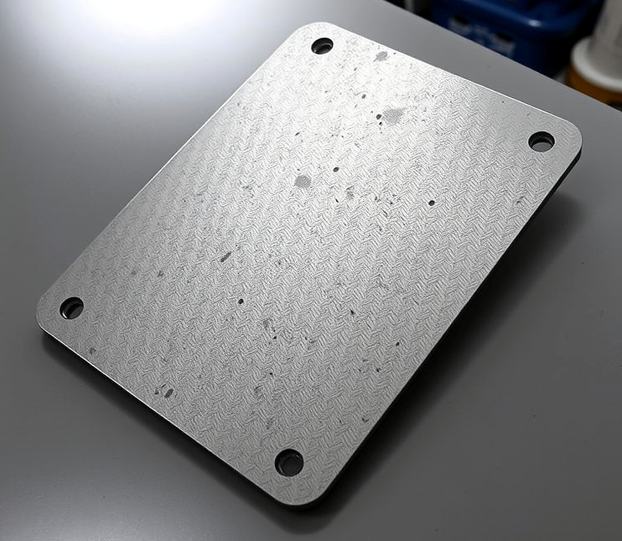
In industrial environments where both high temperature and mechanical wear are present, selecting the right materials is essential for maintaining performance and extending equipment life. Materials that can handle heat and resist abrasion are critical in industries such as manufacturing, mining, and thermal processing. Two advanced materials that meet these requirements are the alumina tube and the boron carbide plate.
Each of these materials offers unique advantages that help improve system efficiency and reduce maintenance needs. Understanding their roles can help engineers and industrial buyers make better decisions for demanding applications.
Challenges of Wear and Heat in Industrial Systems
Industrial systems often operate under conditions that involve high temperatures and continuous mechanical stress. Components may be exposed to friction, abrasive materials, and thermal cycles.
Without proper material selection, these conditions can lead to rapid wear, deformation, and system failure. Materials like alumina tubes and boron carbide plates are designed to address these challenges by offering durability and resistance to extreme conditions.
Overview of Alumina Tube
An alumina tube is a ceramic component made from aluminum oxide. It is widely used in applications that require high temperature resistance and electrical insulation.
Alumina tubes are commonly used in furnace systems, thermal processing equipment, and laboratory applications. They are valued for their ability to maintain structural stability under heat.
Key Properties of Alumina Tube
An alumina tube offers several important benefits in industrial systems. It provides excellent resistance to high temperatures, making it suitable for thermal applications.
It is highly resistant to chemical corrosion, which allows it to perform well in harsh environments. It also offers good wear resistance, although it is primarily used for heat-related applications.
However, alumina is a brittle material, so it must be used carefully in applications involving heavy impact.
Overview of Boron Carbide Plate
A boron carbide plate is one of the hardest ceramic materials available. It is widely used in applications that require strong resistance to wear and abrasion.
Boron carbide plates are commonly used in industrial systems where components are exposed to continuous friction and mechanical stress.
Key Properties of Boron Carbide Plate
Boron carbide plates offer several advantages in wear-resistant applications. It has extremely high hardness, which provides excellent resistance to abrasion and wear.
It is lightweight compared to many other hard materials, which helps improve efficiency in certain applications. It also offers good resistance to chemical exposure, making it suitable for use in harsh environments. However, like many ceramics, it can be brittle under heavy impact conditions.
Applications of Alumina Tube
An alumina tube is widely used in thermal systems where heat resistance is critical. It is commonly used as a protective sheath for thermocouples and sensors in furnace systems. This helps maintain accuracy and protect sensitive components.
It is also used in systems that require insulation and protection from high temperatures. In chemical processing, alumina tubes are used in environments where both heat and corrosion are present.
Applications of Boron Carbide Plate
Boron carbide plates are used in applications that involve heavy wear and abrasion. It is commonly used as a liner in equipment that handles abrasive materials such as powders and particles. This helps extend the life of the equipment.
It is also used in protective systems where durability and resistance to mechanical stress are required. In industrial machinery, boron carbide plates are used to reduce wear and improve performance.
How These Materials Work Together
In many industrial systems, an alumina tube and a boron carbide plate are used together to address both heat and wear challenges. An alumina tube is used in areas where high temperature resistance and insulation are required. It protects components from heat and chemical exposure.
Boron carbide plates are used in areas where abrasion and mechanical wear are present. It protects surfaces and reduces damage caused by friction. By combining these materials, engineers can create systems that are both heat resistant and wear resistant.
Choosing the Right Material
Selecting between an Alumina Tube and a Boron Carbide Plate depends on the specific requirements of the application. If the system involves high temperatures and requires insulation, alumina is the better choice.
If the application involves heavy wear and abrasion, boron carbide is more suitable. Engineers should consider factors such as temperature, type of wear, and mechanical stress when selecting materials.
Conclusion
An alumina tube and a boron carbide plate are essential materials for improving wear and heat resistance in industrial systems. Each offers unique advantages that help protect equipment and enhance performance.
By understanding their properties and applications, engineers and industrial buyers can select the right materials to reduce maintenance, improve efficiency, and ensure long-term reliability in demanding environments.
