

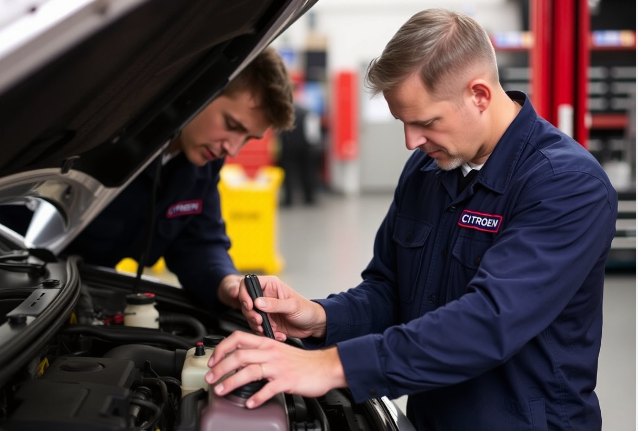
How to Extend Your Vehicle’s Lifespan with Smart Maintenance
Owning a vehicle is one of the most significant investments most people make, second only to their homes. Whether you drive a rugged truck for work, a fuel-efficient sedan for commuting, or a luxury SUV for family trips, your car is a complex machine that requires consistent care to perform at its peak. Many drivers view auto maintenance as a chore or an occasional necessity triggered by a dashboard warning light. However, shifting your perspective toward proactive care can save you thousands of dollars in the long run and ensure your vehicle remains safe and reliable for years to come.
The secret to vehicle longevity isn’t found in expensive aftermarket upgrades or high-performance fuels; it lies in the simple, disciplined execution of routine maintenance. By understanding the critical systems that keep your car moving and addressing small issues before they escalate into catastrophic failures, you can easily push your odometer past the 200,000-mile mark. This guide explores the essential strategies for extending your vehicle’s lifespan through smart maintenance and professional care.
The Foundation: Regular Fluid Checks and Changes
Fluids are the lifeblood of your vehicle. They lubricate moving parts, dissipate heat, and provide the hydraulic pressure necessary for steering and braking. Signal Garage Over time, these fluids break down, become contaminated with debris, or leak, leading to increased friction and potential system failure.
Engine Oil: The Most Critical Component
Engine oil is perhaps the most vital fluid in your car. Its primary job is to lubricate the internal components of the engine, reducing friction and preventing metal-on-metal contact that can lead to overheating and engine seizure. Modern synthetic oils have extended the traditional 3,000-mile oil change interval, but it is still essential to follow your manufacturer’s recommendations. Regular oil changes remove the sludge and carbon deposits that naturally build up, ensuring your engine runs smoothly and efficiently.
Transmission and Cooling Systems
While oil gets most of the attention, your transmission fluid and coolant are equally important. Transmission fluid ensures smooth gear shifts and prevents the transmission from overheating. If this fluid becomes burnt or low, you may experience slipping gears or a total transmission failure, which is one of the most expensive repairs a car owner can face. Similarly, the cooling system relies on a precise mixture of water and antifreeze to regulate engine temperature. A neglected cooling system can lead to a blown head gasket or a warped engine block, both of which are often terminal for older vehicles.
Fluid Type
Primary Function
Recommended Check Interval
Engine Oil
Lubrication and cooling
Every 3,000 – 7,500 miles
Transmission Fluid
Hydraulic pressure and lubrication
Every 30,000 – 60,000 miles
Coolant (Antifreeze)
Temperature regulation
Every 2 years or 30,000 miles
Brake Fluid
Hydraulic braking force
Every 2 years or 20,000 miles
Power Steering Fluid
Ease of steering
Every 50,000 miles
Tire Care: Safety and Efficiency
Your tires are the only point of contact between your vehicle and the road. Neglecting them not only compromises your safety but also places unnecessary strain on your suspension and reduces fuel efficiency. Proper tire maintenance is a multi-faceted approach that includes monitoring pressure, ensuring even wear, and maintaining correct alignment.
Maintaining Proper Inflation
Driving on under-inflated tires increases the rolling resistance, which forces your engine to work harder and consume more fuel. It also causes the tires to generate excessive heat, leading to premature tread wear and an increased risk of blowouts. Conversely, over-inflation can result in a harsh ride and uneven wear in the center of the tread. Checking your tire pressure monthly with a reliable gauge is a simple habit that pays dividends in safety and savings.
Rotation and Alignment
Tires do not wear evenly on their own. The front tires typically handle more weight and perform the majority of the steering and braking, causing them to wear faster than the rear tires. By rotating your tires every 5,000 to 8,000 miles, you ensure that the tread wears uniformly across all four tires, extending their collective lifespan. Furthermore, if you notice your car pulling to one side or the steering wheel vibrating, it is likely time for a wheel alignment. Proper alignment ensures that your tires are hitting the road at the correct angle, preventing “feathering” or “cupping” of the tread.
The Braking System: Stopping Power and Safety
A vehicle that won’t start is an inconvenience, but a vehicle that won’t stop is a tragedy. Your braking system is designed to wear out over time, as the friction between the brake pads and rotors is what brings your car to a halt. Recognizing the early warning signs of brake wear can prevent damage to more expensive components like the calipers and rotors.
If you hear a high-pitched squealing sound when applying the brakes, it is often a built-in wear indicator telling you that your pads are getting thin. Ignoring this sound will eventually lead to a grinding noise, indicating that the friction material is completely gone and the metal backing plate is digging into the rotor. At this stage, the repair becomes significantly more expensive. Regular brake inspections by a professional team, such as the experts at Signal Garage, can help you stay ahead of these issues and ensure your stopping power is never compromised.
Engine Health and Performance
Beyond fluids and tires, several other components play a critical role in your engine’s health. The air filter, for instance, prevents dust and debris from entering the combustion chamber. A clogged air filter restricts airflow, forcing the engine to use more fuel to maintain performance. Replacing your air filter annually is a low-cost way to maintain your car’s “breathability” and fuel economy.
Spark Plugs and Ignition
Spark plugs provide the electrical arc that ignites the fuel-air mixture in your engine’s cylinders. Over time, the electrodes on the spark plugs can wear down or become fouled with carbon, leading to misfires, poor acceleration, and reduced fuel efficiency. Modern spark plugs can last up to 100,000 miles, but they should still be inspected periodically to ensure they are firing correctly.
The Importance of the Battery
A dead battery is one of the most common reasons for a roadside assistance call. Most car batteries have a lifespan of three to five years. Extreme temperatures—both hot and cold—can accelerate the degradation of the battery’s internal chemistry. Periodically checking the battery terminals for corrosion and ensuring the mounting bracket is secure can prevent unexpected “no-start” situations. If your engine cranks slowly or your headlights seem dim when the engine is idling, it may be time for a battery test.
Seasonal Maintenance Strategies
The changing seasons bring unique challenges for your vehicle. In regions with harsh winters, the combination of freezing temperatures and road salt can be particularly damaging. Preparing your car for winter involves checking your battery’s cold-cranking amps, ensuring your heater and defroster are working, and switching to winter-grade tires if necessary. Additionally, a thorough undercarriage wash in the spring is essential to remove the salt that can cause rust and corrosion on your frame and brake lines.
Summer maintenance focuses on the cooling system and air conditioning. High temperatures put extra stress on your engine, making it more prone to overheating. Ensuring your coolant is at the proper level and your AC system is charged will keep both your engine and your passengers comfortable during the hottest months of the year.
Driving Habits for Longevity
How you drive has a direct impact on how long your car lasts. Aggressive driving—characterized by rapid acceleration and hard braking—places immense stress on the engine, transmission, and brakes. By adopting a smoother driving style, you can reduce the wear and tear on these critical components.
Another common mistake is taking frequent short trips where the engine never reaches its optimal operating temperature. When an engine is cold, the oil is thicker and less effective at lubricating parts. Furthermore, water vapor—a byproduct of combustion—can accumulate in the oil and exhaust system if the engine doesn’t run long enough to evaporate it. If possible, combine your errands into one longer trip to allow your vehicle to warm up fully.
The Role of Professional Diagnostics
While many maintenance tasks can be performed by a dedicated DIYer, there is no substitute for the expertise of a professional technician. Modern vehicles are equipped with sophisticated onboard computers that monitor everything from emissions to transmission pressure. When a “Check Engine” light appears, it requires specialized diagnostic equipment to interpret the codes and identify the root cause of the problem.
Choosing a reputable shop is just as important as the maintenance itself. Look for facilities that employ ASE-certified technicians, as this certification ensures the mechanics have the training and experience necessary to handle complex repairs. A family-owned business with a long history in the community often provides a level of personalized service and accountability that large chains cannot match. For residents in the Twin Cities area, finding a reliable auto repair shop in West St Paul is the first step toward a long-lasting vehicle.
Conclusion: A Proactive Approach to Car Care
Extending your vehicle’s lifespan is not a matter of luck; it is the result of a consistent, proactive approach to maintenance. By staying on top of fluid changes, caring for your tires, and addressing mechanical issues as soon as they arise, you can enjoy the peace of mind that comes with a reliable car. Remember that the money you spend on preventive maintenance today is an investment that prevents much larger expenses tomorrow.
Whether you are driving a brand-new car off the lot or trying to keep a high-mileage veteran on the road, the principles remain the same. Treat your vehicle with respect, follow the manufacturer’s guidelines, and partner with a trusted professional for your more complex needs. With the right care, your car will continue to serve you faithfully for many miles and years to come.
