

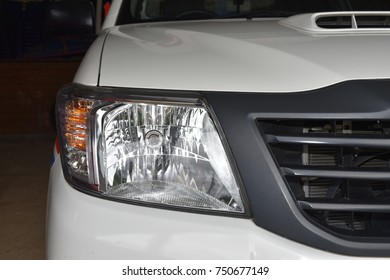
Headlights are one of those components most drivers only think about when something goes wrong. A bulb burns out, visibility drops, and night driving suddenly feels more tiring than it should. In reality, choosing the right headlights can noticeably improve comfort, safety, and confidence behind the wheel.wiper blades With so many options available, from basic halogen bulbs to modern LED systems, it helps to understand what actually matters before making a change.
Understanding the Main Types of Headlights
Most vehicles on the road today use one of three headlight technologies. Halogen bulbs remain common, particularly on older cars. They are affordable and easy to replace, but their light output and lifespan are limited. HID, also called xenon lighting, produces a brighter beam with greater reach. The tradeoff is a brief warm-up period and the need for compatible housings.
LED headlights have become increasingly popular. They turn on instantly, last significantly longer, and draw less power. That said, not every LED bulb works well in every headlight assembly. When an LED is poorly matched to the housing, the result is often scattered light and added glare rather than better visibility.
Brightness: How Much Light Is Enough
Brightness is usually marketed in lumens, but higher numbers alone do not guarantee better results. A typical halogen low-beam bulb produces roughly 700 to 1,200 lumens. Factory HID systems often fall in the 2,800 to 3,500 lumen range, while many quality LED headlights produce between 2,000 and 4,000 lumens per bulb.
If those figures sound impressive, remember that usable light matters more than peak output. A well-controlled 2,500-lumen beam with a clean cutoff will outperform a poorly designed 5,000-lumen setup every time. Excessively bright headlights with unfocused patterns can reduce visibility by causing reflections and eye strain, especially on wet roads.
If those figures sound confusing, check out this lumens vs watts comparison chart to learn what lumens are and how these brightness levels would compares to traditional incandescent bulbs.
Choosing the Right Color Temperature
Color temperature affects how comfortable headlights feel over long drives. It is measured in Kelvin and determines whether light appears warm or cool.
Lower temperatures around 3000K produce a yellow tone that works well in fog, rain, and snow. Neutral white light in the 4300K to 5000K range offers strong contrast and tends to feel easiest on the eyes. Higher temperatures above 6000K create a blue-white look that some drivers like visually, but these often perform worse in bad weather.
For most drivers, neutral white light strikes the best balance between clarity and comfort.
Headlight Housings and Beam Pattern
The headlight housing plays a major role in how light is projected onto the road. Reflector housings rely on mirrored surfaces, while projector housings use a lens to shape a more precise beam.
Problems arise when bulbs are installed in housings they were not designed for. This is common with LED retrofits placed in halogen reflector assemblies. The result is often stray light and uneven illumination. Headlights engineered specifically for your housing type tend to provide the cleanest and safest beam pattern.
Legal and Safety Considerations
Before upgrading, it is worth confirming that a headlight meets DOT or SAE standards. Many aftermarket options promise extreme brightness but are not legal for street use in all areas. Proper aiming is just as important. Even high-quality headlights can become a hazard if they are misaligned.
After installation, headlights should always be adjusted to ensure they are level and evenly aimed. This step is often overlooked and makes a real difference in everyday driving.
Reliability and Heat Management
Longevity is another factor that separates good headlights from disappointing ones. LED systems rely on effective heat management to maintain performance over time. Poor cooling can lead to early failure or noticeable dimming.
Well-reviewed headlights typically feature substantial heat sinks, sealed housings, and consistent output over thousands of hours. A strong warranty is often a good indicator of overall build quality.
Well-Reviewed Headlight Brands
Several manufacturers consistently earn positive feedback for reliability and beam quality. Philips and Osram are known for OEM-level engineering and dependable performance. Morimoto has become a favorite among enthusiasts for its LED and projector systems. Hella brings decades of experience as an original equipment supplier, while Sylvania offers widely available upgrades that balance cost and quality.
Brand reputation helps, but correct fitment matters even more. A properly designed headlight matched to your vehicle will always outperform a generic alternative.
Matching Headlights to Your Driving Habits
The best headlight choice often depends on where and how you drive. City drivers benefit from wide, even illumination, while rural driving favors longer reach on dark roads. Frequent exposure to rain or fog makes color temperature and beam control more important than raw brightness.
Final Thoughts
Upgrading headlights is not just a cosmetic decision. The right setup improves visibility, reduces fatigue, and makes night driving safer. By focusing on beam quality, realistic brightness levels, proper fitment, and proven brands, drivers can choose headlights that perform well in real-world conditions rather than just looking impressive on the box.
