

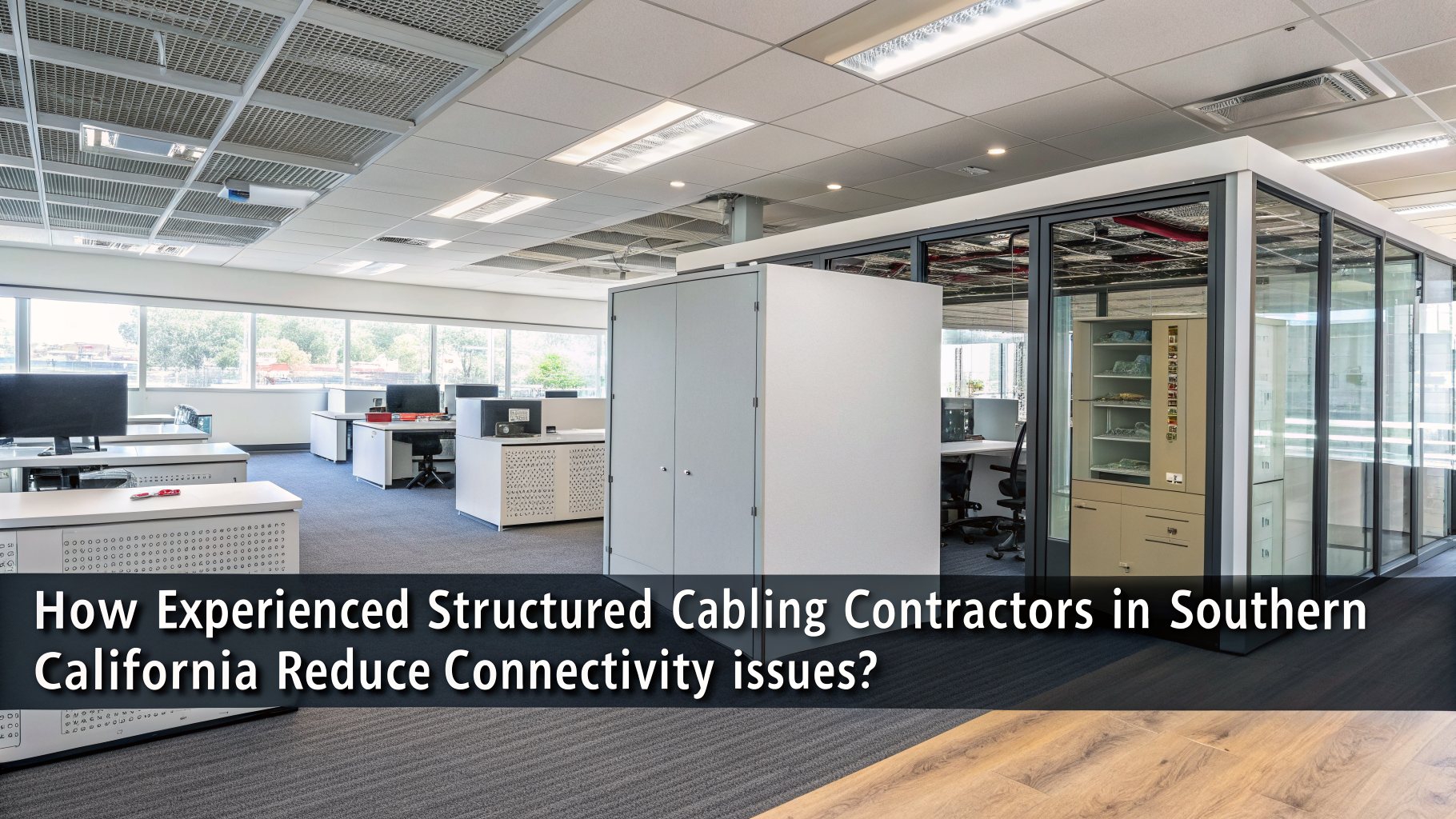
Experienced structured cabling contractors in Southern California tackle your network vulnerabilities head-on. They’ll map your infrastructure, detect signal interference, and use advanced diagnostic tools to pinpoint weak points. By implementing UV-resistant fiber optics, strategic cable routing, and robust shielding techniques, they’ll guarantee your network stays resilient in extreme conditions. Want to uncover how they’ll transform your connectivity challenges?
Why Southern California Businesses Can’t Ignore Network Infrastructure Quality
While technology continues to evolve at breakneck speeds, Southern California businesses are increasingly discovering that robust network infrastructure isn’t just a luxury—it’s a critical necessity for survival. Your company’s competitive edge depends on seamless connectivity, reduced downtime, and efficient data transmission.
Poor network infrastructure can cripple productivity, causing missed opportunities and frustrated employees. In a region known for technological innovation, you can’t afford to lag behind with outdated cabling systems. That’s why many companies are turning to structured cabling services in Southern California to ensure their networks are reliable, scalable, and future-proof.
Modern structured cabling solutions offer scalability, support emerging technologies, and guarantee reliable performance across your organization. Whether you’re a small startup or an established enterprise, investing in high-quality network infrastructure isn’t an expense—it’s a strategic decision that protects your business’s operational integrity and future growth potential.
Diagnosing Hidden Network Vulnerabilities Before They Cripple Your Operations
You can’t afford to let hidden network vulnerabilities lurk undetected in your infrastructure. Start by conducting a thorough network infrastructure mapping to identify potential weak points, then use advanced signal interference detection techniques to pinpoint areas of signal degradation.
Follow this with a detailed cable performance analysis that will reveal underlying connectivity issues before they can disrupt your critical business operations.
Network Infrastructure Mapping
Because modern networks have become increasingly complex, identifying potential vulnerabilities before they disrupt critical operations is more crucial than ever. You’ll need a thorough network infrastructure mapping strategy that goes beyond simple visual inspections.
Structured cabling contractors utilize advanced diagnostic tools to trace every cable, connection, and pathway within your network environment. These professionals create detailed digital maps that reveal hidden weaknesses, potential signal interference points, and potential bottlenecks. They’ll systematically document cable routes, identify aging infrastructure, and pinpoint areas prone to performance degradation.
Signal Interference Detection
Network infrastructure mapping sets the stage for uncovering deeper connectivity challenges, particularly signal interference that can silently undermine system performance. You’ll want to detect potential sources of electromagnetic disruption that can degrade your network’s reliability. Professional cabling contractors use specialized spectrum analyzers and diagnostic tools to identify radio frequency interference, crosstalk, and electromagnetic noise that might compromise your network signals.
These experts systematically scan your infrastructure, pinpointing potential interference sources like electrical equipment, wireless devices, and improper cable positioning. They’ll assess signal-to-noise ratios, detect frequency overlaps, and recommend targeted mitigation strategies. By proactively identifying these hidden vulnerabilities, you can prevent performance bottlenecks, reduce unexpected downtime, and maintain ideal network integrity before minor issues escalate into major operational disruptions.
Cable Performance Analysis
Cable integrity forms the silent backbone of robust digital infrastructure, where even microscopic imperfections can cascade into catastrophic system failures. You’ll want to implement thorough performance analysis techniques that go beyond basic visual inspections.
Advanced diagnostic tools like Time Domain Reflectometry (TDR) and optical time-domain reflectometry (OTDR) can help you pinpoint subtle cable degradations. These technologies map signal transmission characteristics, revealing potential weak points before they compromise your network’s reliability.
You’ll need to evaluate key metrics including insertion loss, return loss, and crosstalk. Professional structured cabling contractors will systematically test each cable segment, ensuring your infrastructure meets stringent industry performance standards and maintains excellent signal transmission quality.
Urban Network Challenges: Conquering Signal Interference in Dense Environments
While urban landscapes continue to grow more densely populated, wireless signal interference has become a critical challenge for modern communication networks. You’ll encounter numerous obstacles when designing reliable network infrastructures in metropolitan areas:
· Electromagnetic interference from multiple electronic devices
· Signal degradation caused by dense building structures
· Overlapping wireless network frequencies
· High-density user concentrations
· Complex architectural obstructions
When maneuvering urban network challenges, you’ll need strategic approaches that prioritize signal quality and transmission reliability. Your structured cabling solutions must anticipate potential interference sources and implement robust shielding techniques. By understanding the unique electromagnetic landscape of urban environments, you can develop network designs that mitigate signal disruption and maintain consistent connectivity. Proactive planning and advanced diagnostic tools will be your most effective strategies for conquering signal interference in dense metropolitan settings.
Building Resilient Networks That Survive SoCal’s Extreme Conditions
Although Southern California’s extreme environmental conditions pose significant challenges for telecommunications infrastructure, robust network design can guarantee reliable connectivity across diverse terrains.
Robust network design can guarantee reliable connectivity across diverse terrains. You’ll need to implement strategic solutions that protect your network from intense heat, coastal salt corrosion, wildfire risks, and seismic activity. Advanced cabling techniques like using UV-resistant, gel-filled fiber optics and armored cables can help your infrastructure withstand harsh environmental stressors. Strategically routing cables away from direct sunlight and using weatherproof enclosures will further enhance network resilience.
Professional structured cabling contractors understand these regional challenges and can design networks with redundancy and durability. By anticipating potential environmental disruptions and selecting high-performance materials, you’ll certify your telecommunications infrastructure remains stable and dependable, even in Southern California’s most demanding conditions.
Scaling Your Network: From Small Business to Enterprise-Level Connectivity
Network infrastructure isn’t static—it grows as your business expands. When scaling from a small operation to an enterprise-level network, you’ll need strategic planning and robust infrastructure.
Consider these critical elements for successful network expansion:
· Modular design that supports future growth
· High-bandwidth fiber optic cabling
· Redundant network paths
· Scalable switching and routing architectures
· Advanced network management tools
Your structured cabling system must anticipate increasing data demands and technological shifts. Southern California’s dynamic business landscape requires flexible networking solutions that can adapt quickly.
Experienced contractors understand these challenges and can design infrastructure that seamlessly migrates from small business configurations to complex enterprise environments. They’ll help you build a network foundation that’s not just current, but future-proof.
Smart Cable Management: Preventing Performance Bottlenecks
Every modern IT infrastructure faces cable management challenges that can dramatically impact network performance. You’ll need strategic planning to guarantee signal integrity and minimize interference.
Proper cable organization isn’t just about aesthetics; it’s about maintaining ideal data transmission and reducing potential points of failure.
When you implement structured cabling techniques, you’ll create a more reliable network environment. This means using high-quality cable management solutions like vertical and horizontal cable managers, color-coded patch cables, and precise cable length selections.
You’ll want to verify cables aren’t tightly bundled, which can cause crosstalk and signal loss.
Choosing Cable Standards That Future-Proof Your Technology Investment
You can’t afford to make cable infrastructure decisions without thinking long-term in today’s rapidly evolving technology landscape. Your network’s performance and scalability depend critically on selecting cable standards that will support emerging bandwidth demands and communication technologies.
Future Network Performance
How can businesses ensure their technology infrastructure remains cutting-edge? When selecting cable standards, you’ll want to focus on future network performance that anticipates technological evolution. Consider these critical factors:
· Support for emerging bandwidth requirements
· Scalability for advanced network technologies
· Compatibility with next-generation hardware
· Potential for seamless infrastructure upgrades
· Long-term cost-effectiveness of investment
Strategic Cable Selection
Three primary considerations drive strategic cable selection for future-proof technology investments. You’ll want to prioritize cable bandwidth capacity, signal transmission quality, and compatibility with emerging network standards. By choosing high-performance Category 6A or Category 8 cables, you’re ensuring your infrastructure can handle increasing data demands and support next-generation network technologies.
When selecting cables, don’t just focus on current requirements. Consider potential technological advancements that might impact your network’s performance. Opt for cables with superior shielding, higher transmission speeds, and greater resistance to electromagnetic interference. These strategic choices will help you minimize future upgrade costs and maintain a robust, scalable network infrastructure that can adapt to evolving technological landscapes.
Cost-Effective Network Solutions for Every Business Size
Most businesses struggle to find network solutions that balance performance and affordability across different organizational scales. When you’re planning network infrastructure, essential elements include:
· Small start-ups need scalable, budget-friendly infrastructure
· Mid-sized companies require flexible, modular deployment strategies
· Enterprise-level organizations demand robust, high-performance configurations
· Wireless and wired solutions must integrate diverse technologies
· Cost-effective implementations should prioritize long-term sustainability
Your strategic approach determines network reliability and efficiency.
By carefully selecting structured cabling solutions tailored to your business size, you’ll minimize potential connectivity disruptions. Structured contractors understand that one-size solutions don’t work universally. We’ll help you develop customized architectures that match your organizational needs, ensuring ideal performance without excessive financial burden.
Proactive Maintenance: Your Network’s Secret Weapon Against Downtime
Proactive Maintenance: Your Network’s Secret Weapon Against Downtime
After selecting the right network infrastructure, your next strategic move is safeguarding that investment through proactive maintenance. Regular system checks, cable inspections, and performance monitoring can significantly reduce unexpected network failures and potential costly downtime.
By implementing a structured maintenance schedule, you’ll catch potential issues before they escalate. This means scheduling quarterly network assessments, tracking equipment performance metrics, and replacing aging components strategically. Experienced structured cabling contractors understand that prevention is far more cost-effective than reactive repairs.
Your maintenance strategy should include extensive documentation, firmware updates, and periodic stress testing. These proactive steps guarantee your network remains resilient, efficient, and capable of supporting your business’s evolving technological demands.
Conclusion
Your network is like a city’s lifeline – intricate, essential, and vulnerable. By partnering with experienced structured cabling contractors, you’re not just installing wires; you’re building a robust digital infrastructure that’ll weather SoCal’s technological challenges. Don’t let connectivity be your weakness. Invest in smart, strategic cabling, and watch your business’s communication highway become an unstoppable, high-speed superhighway of success.
Required Link: structured cabling services in Southern California
