



Imagine the meticulous steps you’d take to guarantee your prized car is as protected on the road as it is in your climate-controlled garage. You know that the journey from storage to transport is fraught with potential risks, and every detail matters. From selecting the right carrier to preparing the vehicle for transit, each phase plays an essential role in safeguarding your investment. But what happens when you face unexpected challenges during transport? Understanding these nuances can make all the difference in preserving your collection’s value.
Importance of Climate Control
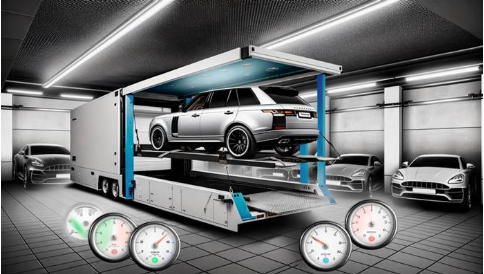

When it comes to storing elite cars, climate control isn’t just a luxury—it’s indispensable. Maintaining a stable environment safeguards your vehicles against temperature fluctuations, humidity, and dust. These factors can lead to rust, mold, and deterioration of internal components, which can compromise performance and value.
You need to guarantee that your storage area maintains a consistent temperature, ideally between 65°F and 75°F, to prevent warping or cracking of parts. Humidity levels should remain around 45-55% to inhibit corrosion and keep interiors in pristine condition.
Installing a high-quality HVAC system is essential for achieving these conditions, alongside proper insulation to minimize external influences. Proper insulation and sealing—often addressed during upgrades like san diego garage door installation—also play a key role in maintaining a stable climate inside high-end vehicle storage spaces. Additionally, consider incorporating air filtration systems to keep dust and pollutants at bay. This is critical for preserving paint finishes and interior materials.
Regular monitoring of environmental conditions using digital sensors can offer peace of mind, allowing you to make adjustments when necessary. By prioritizing climate control, you not only protect your investment but also guarantee that your elite cars are always ready for display or enjoyment.
Assessing Transport Options
Transporting elite cars requires careful consideration of various options to guarantee safety and reliability.
You’ll need to evaluate several factors, including distance, vehicle type, and potential environmental hazards. Start by determining whether you’ll use open or enclosed transport. Enclosed transport offers superior protection from the elements and road debris, which can be essential for high-value vehicles. This level of protection is a key reason why enclosed carriers are preferred for luxury car road transportation, especially when moving high-value vehicles over long distances.
Next, assess the logistics involved. You should consider the route’s condition, delivery timelines, and any necessary permits for transport. For instance, routes with sharp turns or steep inclines may require special handling to avoid damaging the vehicle.
Additionally, weigh the option of door-to-door service against terminal-to-terminal service. Door-to-door is often more convenient but may come at a premium cost. Terminal-to-terminal, while potentially less expensive, requires you to transport the vehicle to and from designated drop-off and pick-up points.
Choosing the Right Carrier


Selecting the right carrier can make all the difference in ensuring your elite car arrives safely and on time. Start by researching carriers that specialize in luxury and classic vehicles.
Look for companies with a solid reputation, positive reviews, and experience handling high-value cars. It’s vital to verify that the carrier is licensed and insured adequately to protect your investment.
Next, consider the type of transport. Enclosed carriers offer the best protection against weather, road debris, and potential damage, making them ideal for your elite vehicle.
Confirm that the carrier uses modern, well-maintained equipment to minimize the risk of issues during transport.
Communication is important. Choose a carrier that provides clear, detailed information about the transport process, timelines, and tracking options.
A responsive customer service team will enhance your peace of mind throughout the journey.
Preparing the Vehicle
Before handing over your elite vehicle to the carrier, take the time to prepare it properly. Start by giving your car a thorough wash and detailing. This allows you to spot any existing scratches or dents, which you’ll want to document with photos for your records.
Next, check all fluid levels—engine oil, coolant, brake fluid, and windshield washer fluid—confirming they’re topped off to prevent leaks during transport.
Remove any personal items, including aftermarket accessories, to minimize the risk of damage. Disable any alarm systems to avoid false triggers, and verify your vehicle’s battery is fully charged.
If your car has a low ground clearance, consider raising it to prevent scraping during loading. Inflate the tires to the recommended pressure to reduce the risk of flat spots during transport.
Securing Insurance Coverage


After preparing your vehicle, securing adequate insurance coverage is essential for protecting your investment during transport. Start by evaluating your current auto insurance policy; it may not cover your vehicle during transit. Reach out to your insurer to confirm coverage specifics and verify you’re adequately protected.
Next, consider specialized transport insurance. This type of coverage often addresses gaps left by standard policies, providing protection against theft, damage, or loss while your vehicle is in transit. Look for policies that offer agreed value coverage, which guarantees you’ll receive a predetermined amount in case of a total loss.
When selecting an insurance provider, verify their reputation and claims process. Choose a company experienced in high-value vehicle transport, as they understand the unique risks involved. Request a certificate of insurance from the transport company, confirming they carry adequate coverage that extends to your vehicle.
Lastly, document your vehicle’s condition before transport. Take detailed photos and note any existing damage. This documentation will support your claim should any issues arise during transport. Investing time in these steps guarantees your vehicle’s safety and your peace of mind.
Monitoring Transport Conditions
Monitoring transport conditions is essential for guaranteeing the safety and integrity of your vehicle during transit. By closely observing factors like temperature, humidity, and vibration, you can mitigate risks that might compromise your prized asset.
- Temperature Control: Keep track of temperature ranges to prevent damage from extreme heat or cold, which can affect sensitive materials.
- Humidity Levels: Monitor humidity to avoid corrosion or mold, especially if your vehicle has leather or electronic components.
- Vibration Monitoring: Use devices that detect excessive vibrations, which can impact the structural integrity of your car during transport.
Invest in advanced monitoring technology, such as GPS tracking coupled with environmental sensors, to provide real-time updates. This way, you’ll know if conditions deviate from the established norms.
Additionally, establish communication with your transport company to guarantee they adhere to your required standards. Regular check-ins can help you confirm that proper protocols are being followed throughout the journey.
Ultimately, maintaining a vigilant approach to monitoring transport conditions secures your investment and preserves the value of your vehicle.
Post-Transport Vehicle Care


Once your vehicle arrives at its destination, immediate attention to post-transport care is essential to confirm it remains in pristine condition.
Start by inspecting the exterior for any signs of damage or scratches. A thorough visual check can help you identify any issues that may have occurred during transport.
Next, wash the car using a gentle pH-balanced soap to remove any dust or debris that accumulated. Avoid automatic car washes, as they can cause swirls or scratches.
After washing, dry the vehicle with a microfiber towel to prevent water spots.
Check the tire pressure and verify they’re inflated to the manufacturer’s specifications. Look for any signs of wear or damage, as transporting can sometimes lead to unseen issues.
Inspect the fluids—engine oil, coolant, and brake fluid. Top off any low levels to maintain peak performance.
Conclusion
In the world of elite car collecting, transporting your prized possessions is like orchestrating a symphony; every note must be in harmony for a perfect performance. By prioritizing climate control, choosing the right carrier, and preparing your vehicle meticulously, you guarantee a seamless journey. Don’t forget to secure insurance and monitor conditions along the way. With these steps, your cars will arrive in pristine condition, ready to take center stage in your collection.