

You can measure horsepower.
You can measure torque.
You can measure 0–60 times down to a decimal.
What you can’t measure is soul.
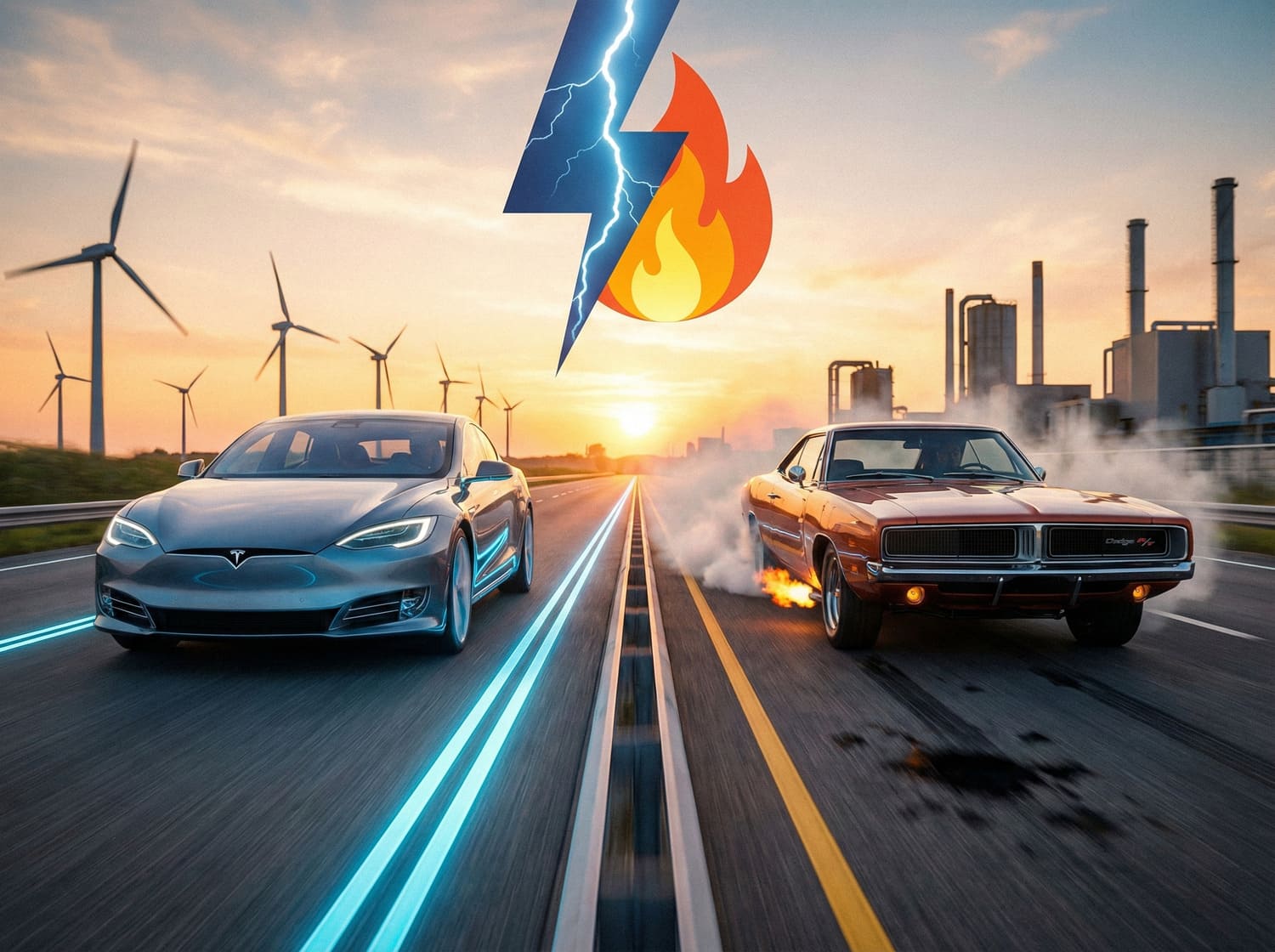
That’s why the electric vs muscle cars debate refuses to die. It’s not really about performance figures. It’s about feeling. About what happens in your chest, not just on a spec sheet.
Because on paper, modern electric performance cars are brutal. Instant torque. Relentless acceleration. Numbers that would’ve embarrassed supercars not that long ago.
And yet… start a classic V8 and people still turn their heads.
The Case for Muscle
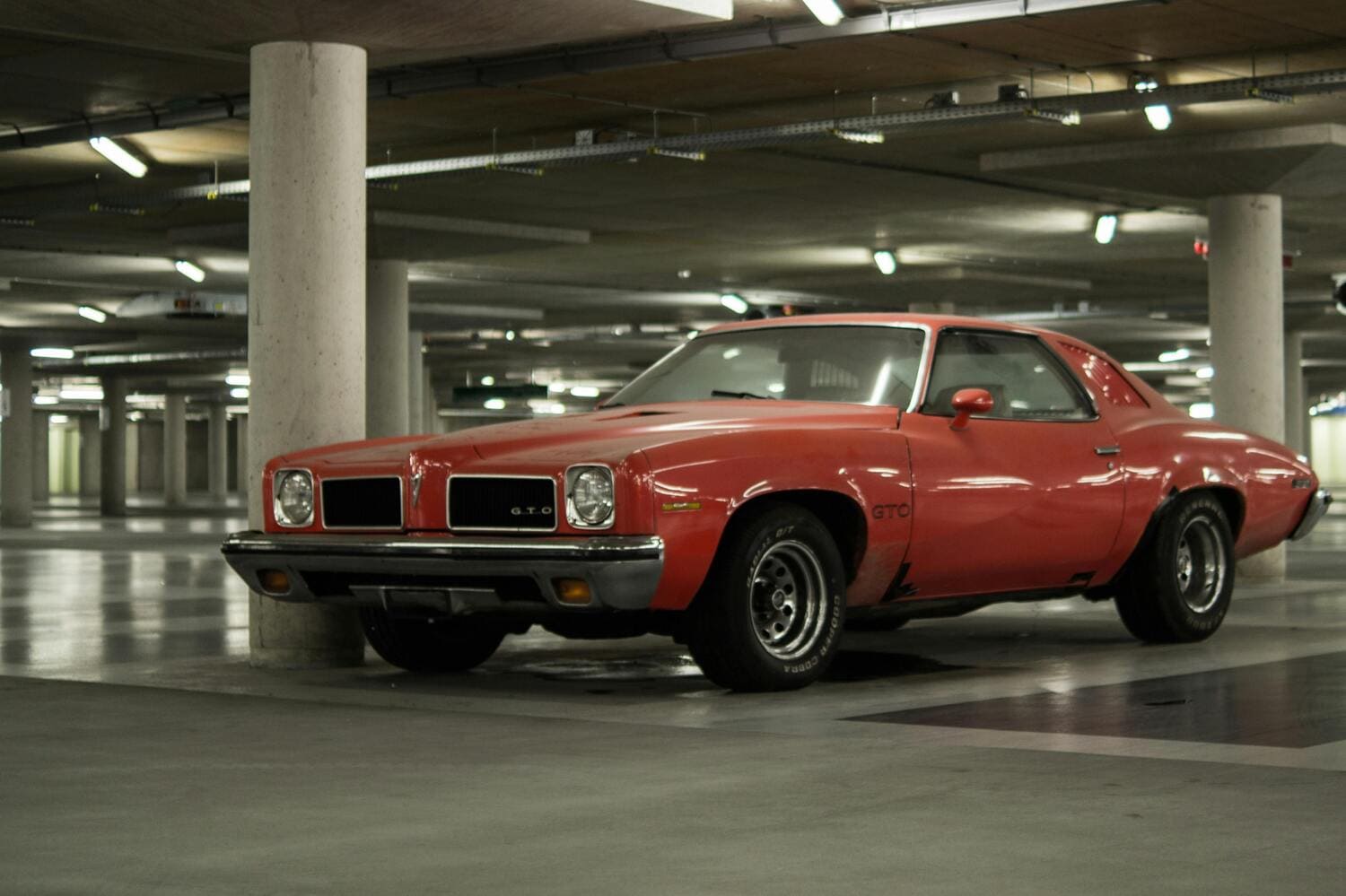
Fire up an old-school muscle car and the experience begins before you even shift into gear.
The idle isn’t perfectly smooth. It trembles. You feel it through the seatback and the steering column. There’s a pulse to it, like a living thing clearing its throat. The smell of fuel hangs faintly in the air. The whole car seems to breathe.
Then you press the throttle.
There’s a split second of anticipation before the surge arrives. The rear squats. The nose lifts. The sound builds as revs climb. It’s not just acceleration—it’s theater.
Muscle cars involve you. You manage traction. You time shifts. You sense weight transfer through corners. They demand attention and reward rhythm. That slight unpredictability, that edge, is part of what makes them addictive.
It’s why enthusiasts preserve them, restore them, and sometimes commission Custom Model Cars that capture not just the shape, but the stance and attitude of the real thing. Because the presence of a muscle car isn’t only about speed—it’s about character.
The Case for Electric
Now step into a high-performance EV.
There’s no warm-up ritual. No rising idle. Just silence.
You press the accelerator and the car moves instantly—smooth, uninterrupted, almost unreal. No gear changes. No crescendo. Just seamless force. The horizon comes toward you with shocking urgency.
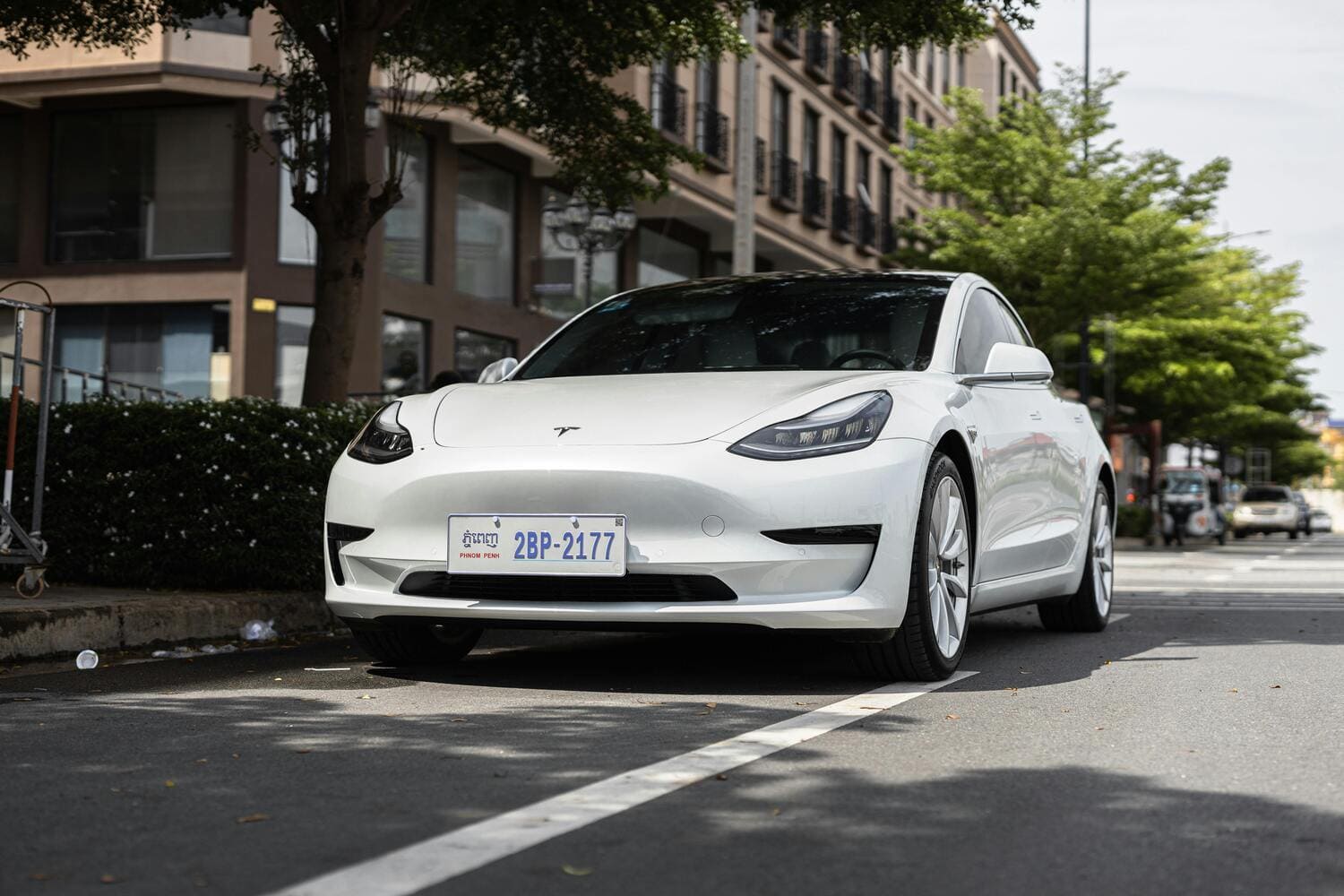
The first time you feel full electric torque from a standstill, it rewires your expectations. It doesn’t build speed the way a combustion engine does. It delivers it all at once.
There’s a different kind of soul here—quieter, more precise. Electric performance feels like controlled power, guided by software and physics rather than combustion chaos. For some drivers, that smoothness feels futuristic and deeply satisfying.
Sound vs Silence
This is where most arguments stall.
Muscle cars communicate through noise. The rumble at idle. The bark on upshift. The echo in tunnels. The soundtrack becomes inseparable from memory.
Electric cars replace that with something subtler. You notice wind, road texture, tire grip. The absence of engine noise shifts your awareness outward. It’s a calmer experience, but not necessarily an empty one.
Still, for many enthusiasts, sound equals emotion. A roaring V8 can raise goosebumps in ways silence rarely can. That’s why even a detailed Model Car of a classic muscle machine can trigger nostalgia—you almost hear it in your head.
Imperfection vs Precision
Muscle cars are flawed in the most human way possible. They’re heavy. They drink fuel. They can feel unruly if you’re careless. But those imperfections create stories. You learn their quirks. You adapt to their moods.
Electric cars eliminate friction—literally and figuratively. They’re consistent. Controlled. Often shockingly composed despite their weight, thanks to low battery placement and advanced traction systems.
For some, that refinement feels like progress. For others, it feels like something raw has been smoothed away.
So, Which Has More Soul?
It depends on what you think soul means.
If soul is vibration, noise, mechanical drama, and the sense that controlled chaos lives under the hood, muscle cars still own that territory.
If soul is innovation, instant response, and the quiet confidence of next-generation engineering, electric cars bring their own emotional charge.
Maybe the real answer isn’t about choosing sides.
Muscle cars represent where we’ve been. Electric performance represents where we’re going. And somewhere between the rumble of combustion and the silent surge of electrons is a new definition of automotive passion waiting to be written.
Soul doesn’t live in cylinders or battery packs.
It lives in how the car makes you feel when the road opens up and your right foot goes down.
