


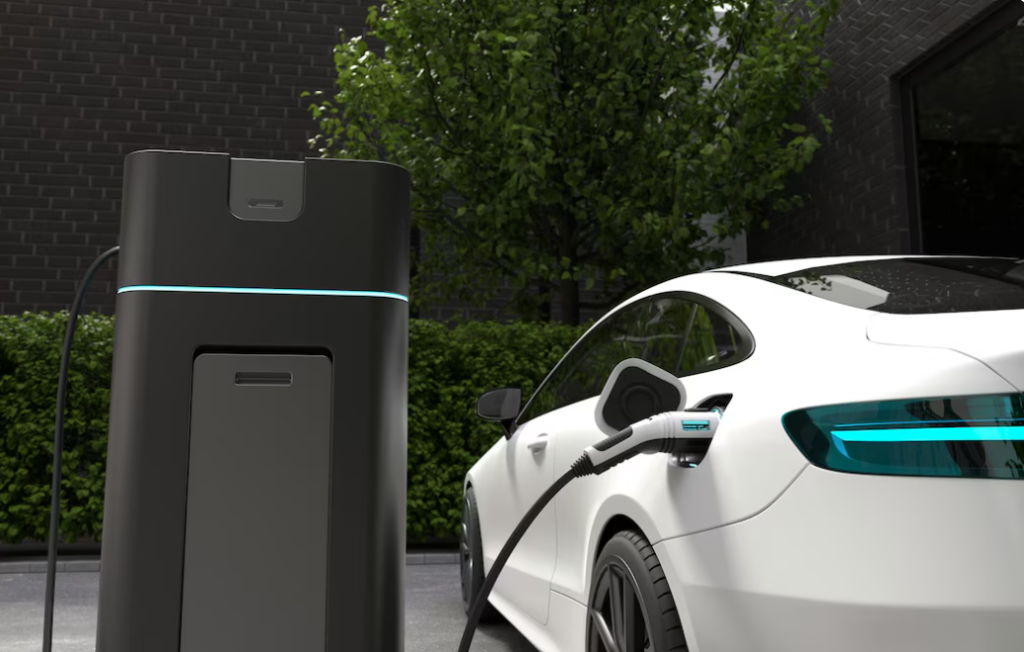
The global shift toward electric and hybrid vehicles is redefining how cars are designed, engineered, and experienced. While most conversations focus on batteries, charging infrastructure, and driving range, one critical innovation often flies under the radar: automotive lighting. LED technology has become a core component of modern EV and hybrid design, delivering measurable gains in efficiency, safety, performance, and even aesthetics.
From entry-level electric hatchbacks to premium luxury EVs, LED lighting systems are no longer just a styling feature; they are a functional upgrade aligned perfectly with the philosophy of energy-efficient mobility. This article explores how LED lighting supports electric and hybrid vehicles, why it matters, and what the future holds for intelligent automotive lighting systems.
EV Lighting Basics: LEDs vs. Traditional Technology
To understand why LED lighting is so important for electric and hybrid cars, it helps to compare it with older headlight technologies.
Halogen and HID: The Old Guard
Traditional halogen bulbs convert much of said energy into heat rather than usable light, making them inefficient by modern standards. High-Intensity Discharge (HID or xenon) lights improved brightness but still require higher power draw and complex ballasts.
LED Lighting: Built for Efficiency
Light Emitting Diodes (LEDs) operate very differently. They convert electricity into light far more efficiently, consuming significantly less power while producing brighter, more focused illumination. For EVs and hybrids, where every watt counts, this efficiency is critical.
Modern LED systems also:
- Turn on instantly (no warm-up time)
- Generate minimal heat
- Last tens of thousands of hours
- Allow compact, flexible designs
This is why many manufacturers now use car LED headlight bulbs as standard or recommended upgrades for both new electric vehicles and hybrid models.
Safety and Range Benefits for Electric & Hybrid Vehicles
Lower Power Draw = More Driving Range
One of the biggest advantages of LED lighting in EVs is reduced energy consumption. While headlights may seem insignificant compared to motors or climate systems, they are used constantly, especially in night driving and urban environments.
LED headlights typically consume 50–70% less energy than halogen bulbs. Over time, this reduced load helps preserve battery capacity and can contribute to incremental range improvements, particularly in city driving or long night journeys.
Improved Visibility and Driver Confidence
LED headlights provide a whiter, more natural light that closely resembles daylight. This improves contrast, reduces eye strain, and enhances object recognition, especially road signs, pedestrians, and lane markings.
For electric and hybrid cars designed around quiet operation and smooth acceleration, improved visibility is a major safety advantage. Many drivers report increased confidence when switching to LED lighting, especially in poor weather or low-light conditions.
Longer Lifespan, Lower Maintenance
Because EVs emphasize low maintenance ownership, long-lasting components are essential. LED headlights often last 10x longer than halogen bulbs, aligning perfectly with the low-service ethos of electric mobility.
Comparing Popular EVs with Advanced LED Lighting Systems
Many of today’s most popular electric and hybrid vehicles already showcase how integral LED lighting has become.
Tesla (Model 3, Model Y, Model S)
Tesla uses full LED lighting across its lineup, with adaptive headlights introduced in newer models. These systems adjust beam patterns based on speed and surroundings, enhancing both safety and efficiency.
Hyundai Ioniq 5 & Kia EV6
These EVs feature distinctive LED signatures paired with highly efficient lighting systems. Their LED headlights are optimized for aerodynamic design and low power consumption.
BMW i-Series (i4, iX, i7)
BMW integrates advanced LED and laser-assisted lighting in its electric lineup, combining performance, luxury, and intelligent road illumination.
Toyota Hybrid Models (Prius, Corolla Hybrid)
Toyota’s hybrid vehicles increasingly rely on LED headlights to support fuel efficiency goals and long-term reliability.
Across all these models, LED lighting is a core design element supporting efficiency, safety, and brand identity.
Smart Lighting: The Rise of Adaptive and Matrix Systems
LED technology has enabled lighting systems that were impossible with older bulbs.
Adaptive Headlights
Adaptive LED headlights adjust beam direction and intensity based on:
- Steering angle
- Vehicle speed
- Road conditions
- Oncoming traffic
This ensures maximum visibility without blinding other drivers, a key safety feature in modern EVs.
Matrix LED Technology
Matrix LED systems consist of multiple individually controlled diodes. These can selectively dim certain areas of the beam while keeping others bright, allowing drivers to use high beams more often without dazzling oncoming traffic.
For electric vehicles packed with sensors and cameras, matrix lighting integrates seamlessly with driver-assistance systems.
Integration with Autonomous Features
As EVs move toward higher levels of autonomy, lighting systems will communicate with navigation data, cameras, and AI-driven safety systems. LEDs are the foundation that makes this intelligent integration possible.
Why LED Lighting Fits the EV Philosophy Perfectly
Electric and hybrid cars are designed around three core principles:
- Efficiency
- Low maintenance
- Future-ready technology
LED lighting supports all three.
- It reduces energy waste
- It lasts longer than most ownership cycles
- It enables smart, software-controlled systems
For drivers upgrading older vehicles or optimizing newer ones, switching to car LED headlight bulbs is often one of the simplest ways to align lighting performance with modern EV standards.
The Future of LED Lighting in Electric Mobility
Looking ahead, LED lighting will continue to evolve alongside electric vehicles.
Expected developments include:
- AI-controlled adaptive beams
- Communication lighting (signals that interact with pedestrians and other vehicles)
- Ultra-thin light bars for aerodynamic efficiency
- Fully software-defined lighting systems
As EVs become more connected and autonomous, lighting will no longer be just about visibility; it will become a language of communication between vehicles, infrastructure, and people.
Final Thoughts
While batteries and motors may power electric and hybrid cars, LED lighting plays a crucial supporting role in maximizing efficiency, safety, and performance. From lower power consumption to intelligent adaptive systems, LEDs are perfectly suited to the demands of modern electric mobility.
As the automotive industry accelerates toward a cleaner, smarter future, LED lighting is lighting the way forward.