

Not every solar home has a huge rooftop array. Many older systems were built to offset part of a home’s electricity use, not to cover everything. When the household adds an EV, heat pump, or more devices, that once-adequate solar system can feel small.
That is why people with modest solar arrays often ask whether a battery still makes sense. The answer can be yes, but the design has to respect the size of the solar system.
Start with surplus solar, not wishful thinking
A small solar array may not produce enough extra electricity to fill a large battery every day. If the home uses most solar power as it is generated, there may be little left to store. That does not make the battery useless, but it changes the role.
The first step is to review solar export data. How many kilowatt-hours are sent to the grid on a typical sunny day? How does that change in winter? If the answer is only a few kWh, a giant battery may sit underused unless it also charges from the grid.
Homeowners should also check whether the small array is shaded or seasonally limited. A system that performs well in May may produce much less in December. If winter outages are a concern, the battery plan should not rely on summer production numbers.
According to the International Energy Agency, distributed solar is growing quickly, but system value increasingly depends on flexibility and local consumption. For small arrays, flexibility means using every useful bit of production wisely.
Match battery size to daily patterns
A smaller battery can be a better match for a small array. It may store midday surplus and cover evening basics without requiring more solar production than the roof can provide.
For example, if the home exports 3 to 6 kWh on many sunny days, a battery system that can capture that range may improve self-consumption. A much larger system may only make sense if the homeowner wants backup reserve, grid charging, or plans to expand solar later.
A staged design is useful because household loads change. A couple may add a second EV, convert to electric cooking, or install a heat pump water heater. Starting with a battery that fits today’s solar production while leaving room for tomorrow’s loads can be more sensible than buying the maximum size immediately.
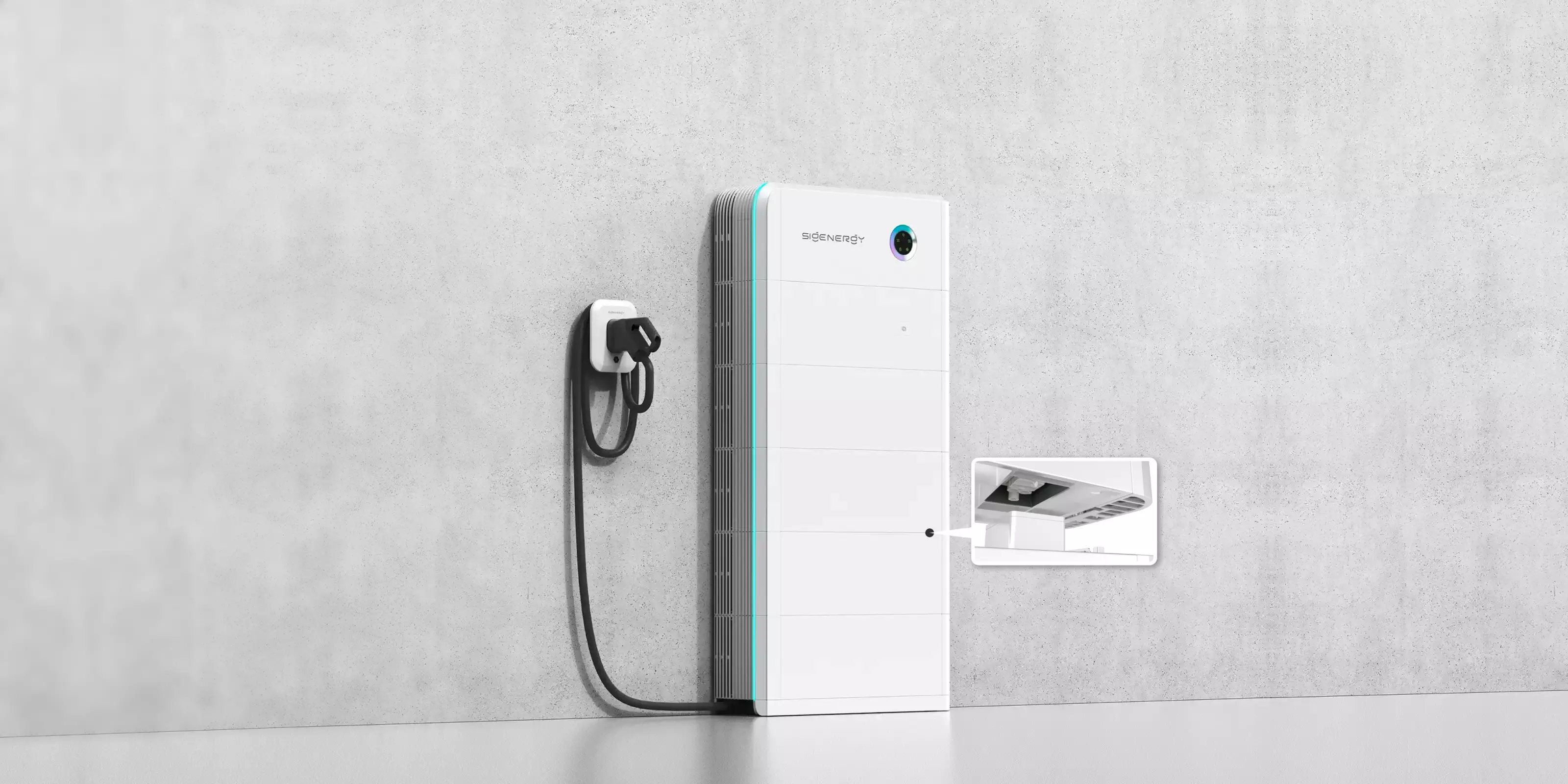
This is where modular design helps. A modular home battery system can be evaluated in stages instead of forcing the homeowner into one oversized decision at the start.
Grid charging can fill the gap
If the utility offers time-of-use rates, a small solar array and battery can still work together. Solar may charge the battery when available, while the grid fills it during low-cost hours. The battery then supports the home during expensive evening periods.
The value depends on rate spread, battery efficiency, and household behavior. A home that uses most electricity at night may benefit more than one with flat daytime use. The U.S. Energy Information Administration notes that electricity costs vary by region, so local rates matter.
Grid charging should be configured carefully. If the battery fills from the grid during low-cost hours, it may have less room for solar the next day. A good control strategy may leave headroom when sunny weather is expected and charge more aggressively when a storm or high-price event is coming.
Backup expectations should stay realistic
A small solar array cannot support unlimited backup. During a storm, solar output may be low. During winter, production may be short. A battery can still keep essentials running, but homeowners should be cautious about whole-home claims if the solar system is modest.
The practical backup plan may include refrigerator, internet, lights, outlets, and a pump rather than central air or EV charging. If the homeowner wants more, the installer should model a larger battery, solar expansion, or smart load control.
This is where expectations protect the budget. A small solar array plus a modest battery can be excellent for everyday self-use and short outages. It should not be sold as a replacement for a large solar-plus-storage system unless the load data supports that claim.
Consider future loads
A small array may become undersized when the home adds an EV or heat pump. That does not mean the original solar investment failed. It means the home electrified. The battery system should be planned with future loads in mind, even if those loads are not installed yet.
BloombergNEF has reported long-term declines in lithium-ion battery prices, but installed value still depends on design. Buying more storage than the solar array can feed may delay payback. Buying a system that cannot expand may create a different problem later.
The best home battery storage system for a small solar array is usually one that starts modestly, monitors performance clearly, and leaves room to grow. Homeowners comparing options can review SigenStor for an example of a scalable storage platform that can support solar self-use, backup planning, and future EV charging needs.
