

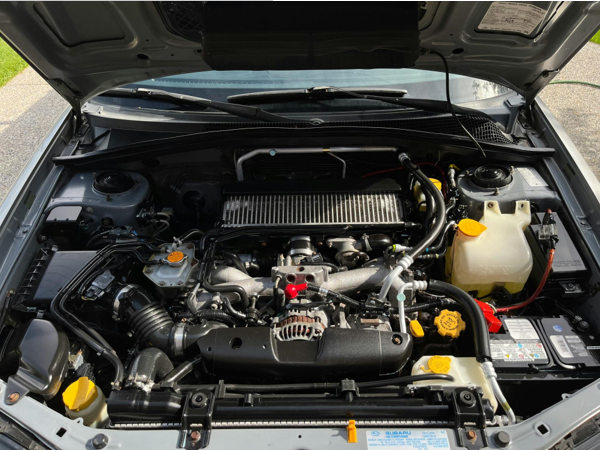
High-performance engines are built for power, speed, and reliability. They are used in vehicles that demand more than basic output. Many designs focus on airflow, combustion efficiency, and durability.
These engines support racing, performance driving, and heavy-duty applications. Understanding the differences helps with smarter choices and better maintenance.
Each type serves a clear purpose and driving style. Review the sections below to learn how high-performance engines differ and where each one fits best.
Naturally Aspirated Performance Engines
Naturally aspirated engines rely on air pressure to fill the cylinders and they do not use forced induction systems. Power delivery feels smooth and predictable. Throttle response is quick and direct and these engines are easier to maintain over time.
They also generate less heat compared to boosted setups. Fuel tuning remains simpler. Many drivers value the consistent power curve and this type suits balanced performance needs.
Turbocharged Performance Engines
Turbocharged engines use exhaust gases to increase airflow and this design boosts power without increasing engine size. Acceleration improves at higher speeds. Fuel efficiency can remain reasonable when driven lightly.
Heat management becomes very important. Turbo lag can occur in some setups.
Modern designs reduce this issue. These engines are common in performance-focused builds. They offer strong output from smaller platforms.
Supercharged Performance Engines
Supercharged engines use belt-driven compressors and power builds instantly with throttle input. There is no noticeable lag and these engines deliver strong low-end torque. Fuel consumption is usually higher.
Mechanical complexity increases with the system and cooling requirements must be addressed. The sound profile is distinct and aggressive. This setup suits drivers who want immediate response.
V8 High-Performance Engines
V8 engines are known for high displacement and power and they produce strong torque across wide ranges. The design supports high stress operation. Sound and vibration are part of the appeal and these engines require solid internal components.
Fuel use is higher compared to smaller layouts and performance tuning options are broad. Some builds reference designs like the Coyote Engine due to their balance of power and efficiency and this type remains popular in performance applications.
Inline High-Performance Engines
Inline engines feature cylinders in a straight line and weight distribution stays balanced. Engine bays allow easier access. These engines rev smoothly at high speeds.
Cooling tends to be more even. Power output scales well with upgrades and they are common in track-focused builds. Maintenance is often simpler and reliability stays strong under proper tuning.
Flat or Boxer Performance Engines
Flat engines place cylinders horizontally and this lowers the center of gravity. Vehicle handling improves as a result and engine balance remains stable at speed. Cooling design becomes more complex.
Maintenance access can be limited and these engines handle high RPM well. Power delivery feels smooth and they suit performance driving that values handling.
High-Revving Performance Engines
High-revving engines are built to operate at high RPM. Lightweight internals support this design and power comes from engine speed rather than size. Throttle response feels sharp.
Maintenance schedules must be strict. Oil quality plays a major role and these engines reward precise driving.
They perform well on tracks. Durability depends on proper care.
Low-End Torque Focused Engines
Some performance engines focus on torque output and power arrives early in the RPM range. Acceleration feels strong from a stop and these engines suit street and towing performance.
Internal components are built for stress and fuel efficiency may drop under load. Gear ratios often support this setup. Heat control remains critical and this design supports daily performance use.
Hybrid-Assisted Performance Engines
Hybrid performance engines combine combustion with electric support and power delivery becomes smoother and faster. Torque fills gaps in acceleration. Fuel efficiency improves overall output.
System complexity increases significantly. Battery management is essential.
Weight balance must be planned carefully. These engines suit modern performance goals. Technology drives their development.
Diesel-Based Performance Engines
Diesel performance engines focus on torque and durability. Combustion efficiency remains high. Power delivery is steady and strong and these engines handle heavy loads well.
Noise control requires proper tuning and emissions systems add complexity. Fuel economy stays strong under use and longevity is a key benefit. Performance tuning must be precise.
Track-Optimized Performance Engines
Track engines prioritize sustained high output and cooling systems are upgraded heavily. Oil circulation stays consistent under force. Power delivery remains stable during long runs.
Internal parts handle extreme stress. Maintenance intervals are shorter.
Weight reduction is often included. These engines are not comfort focused. Performance consistency is the main goal.
Street Performance Engines
Street performance engines balance power and usability and idle quality remains stable. Fuel use stays reasonable and emissions systems remain intact. Power is available without extreme tuning.
Maintenance stays manageable and these engines suit daily driving. Reliability matters as much as speed. Comfort and performance coexist.
Racing-Specific Performance Engines
Racing engines are built for one purpose and maximum output comes first. Longevity is limited by design.
Maintenance happens frequently. Materials are lightweight and strong.
Fuel systems are highly specialized. Cooling is pushed to extremes and these engines operate at narrow ranges. Performance outweighs practicality.
Custom-Built Performance Engines
Custom engines are designed for specific goals. Component choice defines output and behavior. Tuning matches the intended use and build quality determines reliability.
Costs vary based on materials and testing is a key part of development and these engines allow full control. Performance results depend on expertise. Precision matters at every step.
Crate Performance Engines
Crate engines are pre-assembled units and they offer tested performance levels. Installation time is reduced and quality control is consistent. Customization options may be limited.
These engines suit quick upgrades and reliability is predictable. Support parts are widely available. They provide a straightforward performance path.
Future Trends in High-Performance Engine Design
High-performance engines continue to evolve with new technology and engineers focus on efficiency without losing power. Lighter materials improve speed and durability. Cooling systems become more advanced each year.
Digital tuning allows precise performance control. Emissions standards influence engine development.
Hybrid integration is becoming more common. Reliability remains a top priority and these trends shape the next generation of performance engines.
Understand the Different Types of High-Performance Engines
High-performance engines come in many forms with clear differences. Each type focuses on power delivery, efficiency, or durability. Design choices affect maintenance, cost, and driving feel.
Matching engine type to usage is essential. Performance goals should guide selection. Proper care supports long-term reliability. Understanding these engines leads to better performance decisions.
For other topics, visit our blog. We do have more!
